
When to Cut Cat Nails: A Complete Guide for Pet Owners
Knowing when to cut a cat’s nails is an important part of responsible pet care, yet many cat owners feel unsure or nervous about it. Cats naturally keep their claws sharp, but without regular trimming, nails can become too long, uncomfortable, and even harmful. This complete guide explains when and how often to cut your cat’s nails, signs that cat nail trimming is needed, the right way to do it, common mistakes to avoid, and when professional grooming is the best option. By the end of this blog, you will feel confident about keeping your cat’s nails healthy, safe, and stress-free.
Why Nail Trimming Is Important for Cats
Cat nails are designed for climbing, scratching, and self-defense. In indoor environments, however, nails don’t wear down naturally the way they might outdoors. Overgrown nails can cause several problems, including:
- Nails curling into the paw pads
- Pain while walking or jumping
- Scratches on furniture, people, or other pets
- Increased risk of nail splitting or breaking
- Stress and discomfort for your cat
Regular nail trimming helps maintain your cat’s comfort and prevents avoidable injuries.
When to Cut Cat Nails
Understanding when to cut a cat’s nails depends on your cat’s lifestyle, age, and nail growth rate.
General Timing
Most cats need their nails trimmed every 2 to 4 weeks. Indoor cats usually need more frequent trims since their nails do not wear down naturally.
Signs Your Cat’s Nails Need Trimming
Look out for these common signs:
- You hear clicking sounds when your cat walks on hard floors
- Nails look long, sharp, or curved
- Your cat accidentally scratches you more often
- Nails get caught in carpets, blankets, or furniture
- Paw pads appear irritated
If you notice any of these signs, it’s time for a trim.

Best Age to Start Nail Trimming
It’s best to start nail trimming when cats are young, so they become comfortable with the process. Kittens can begin nail trimming as early as 8 weeks old, using gentle handling and short sessions.
For adult cats that are not used to nail trimming, patience is key. Introduce the process slowly and reward calm behavior.
How Often Should Different Cats Have Their Nails Cut?
Not all cats need nail trims at the same frequency.
- Indoor cats: Every 2–3 weeks
- Outdoor cats: Less often, as nails wear down naturally
- Senior cats: More frequent trims due to slower nail shedding
- Inactive or overweight cats: Nails may grow faster and need closer attention
Regular observation helps determine the right schedule for your cat.
How to Cut Cat Nails Safely
Trimming a cat’s nails doesn’t have to be stressful if done correctly.
Step-by-Step Basics
- Choose a quiet and calm environment
- Use proper cat nail clippers
- Gently press the paw to extend the nail
- Cut only the sharp tip, avoiding the pink area (the quick)
- Trim one or two nails at a time if your cat gets restless
Never rush the process. Keeping sessions short and positive makes a big difference.
Common Mistakes Cat Owners Should Avoid
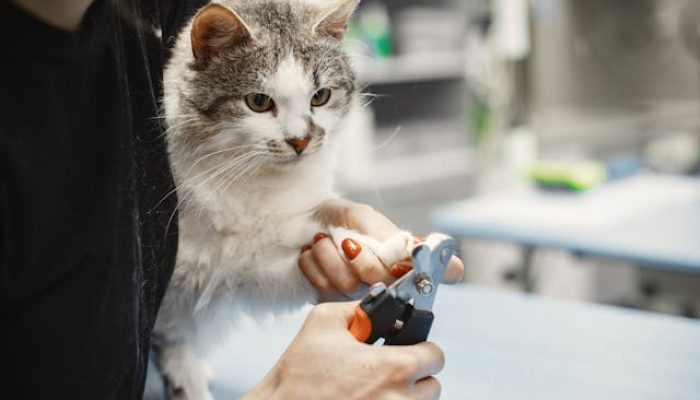
Many cat owners unintentionally make mistakes that cause fear or discomfort.
Avoid these common errors:
- Cutting too close to the quick
- Using human nail clippers
- Forcing the cat to stay still
- Trimming when the cat is stressed or playful
- Skipping trims until nails become overgrown
Mistakes can make future trims harder, so gentle handling is essential.
What Happens If You Cut Too Much?
If the quick is accidentally cut, it may bleed and cause pain. While this can be upsetting, it is manageable.
What to do:
- Stay calm
- Apply gentle pressure
- Use a pet-safe styptic powder if available
- Comfort your cat and stop trimming for the day
If bleeding does not stop or your cat appears in pain, consult a professional.
Indoor Cats and Nail Care
Indoor cats rely entirely on their owners for nail maintenance. Scratching posts help, but are not enough on their own. Nail trimming remains essential to prevent overgrowth and discomfort.
Providing scratching surfaces alongside regular trims helps keep nails healthy and behavior balanced.
When to Choose Professional Cat Nail Trimming
Some cats are anxious, aggressive, or extremely sensitive about paw handling. In such cases, professional grooming is the safest option.
Professional groomers:
- Handle cats gently and confidently
- Know how to trim quickly and safely
- Reduce stress for both the cat and the owner
- Identify nail or paw health issues early
This is especially helpful for senior cats or cats with special needs.
How Nail Trimming Improves Your Cat’s Quality of Life
Regular nail trimming:
- Improves walking comfort
- Reduces stress and irritability
- Prevents painful nail-related injuries
- Protects furniture and skin
- Keeps your cat active and relaxed
Healthy nails contribute to overall physical and emotional well-being.
Conclusion
Understanding when to cut a cat’s nails and how to do it correctly is an important part of being a caring cat owner. With regular trimming, gentle handling, and proper timing, nail care becomes a simple routine rather than a stressful task. Whether done at home or by professionals, consistent nail maintenance keeps your cat comfortable, safe, and happy.
For pet owners who prefer expert care and a calm grooming experience, Dapper Whiskers offers professional cat grooming services designed to prioritize comfort, safety, and well-being. Trusting experienced groomers ensures your cat receives gentle and reliable nail care every time.